
University Women of Europe expresses deep concern over the proposed withdrawal of Latvia from the Council of Europe Convention on Preventing and Combating Violence against Women and Domestic Violence – known as the Istanbul Convention.
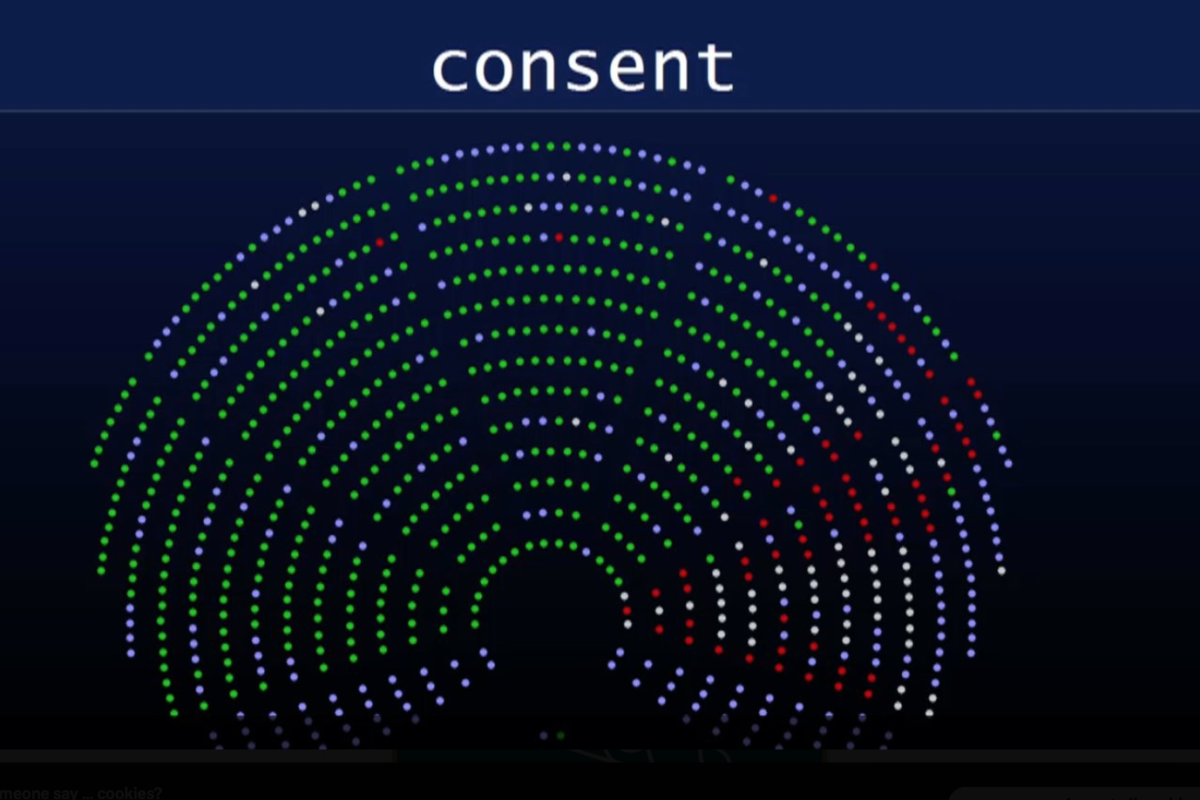
On Thursday, 30 October, Latvia’s parliament, following a long and heated debate, voted to support the country’s withdrawal from the Istanbul Convention. This landmark international treaty sets legally binding standards for preventing and combating violence against women and domestic violence, requiring countries that ratify it to strengthen laws, policies, and support systems that protect survivors, prosecute offenders, and promote gender equality.
President Edgars Rinkēvičs now has 10 days to either sign the bill into law or return it to parliament for further consideration. Ahead of the vote, diplomats from 15 European countries had urged Latvia not to leave the convention, voicing concern about the implications for women’s rights protections.
Withdrawing from the Convention means they will be abandoning a treaty that Latvia ratified less than two years ago – one that has already strengthened the country’s laws and institutions to protect women and girls from violence. Such a move would seriously undermine Latvia’s hard-won progress on women’s rights and hinder life-saving legal and institutional protections established for women and girls under the Convention.
President Edgars Rinkēvičs now has 10 days to either sign the bill into law or return it to parliament for further consideration. Ahead of the vote, diplomats from 15 European countries had urged Latvia not to leave the convention, voicing concern about the implications for women’s rights protections.
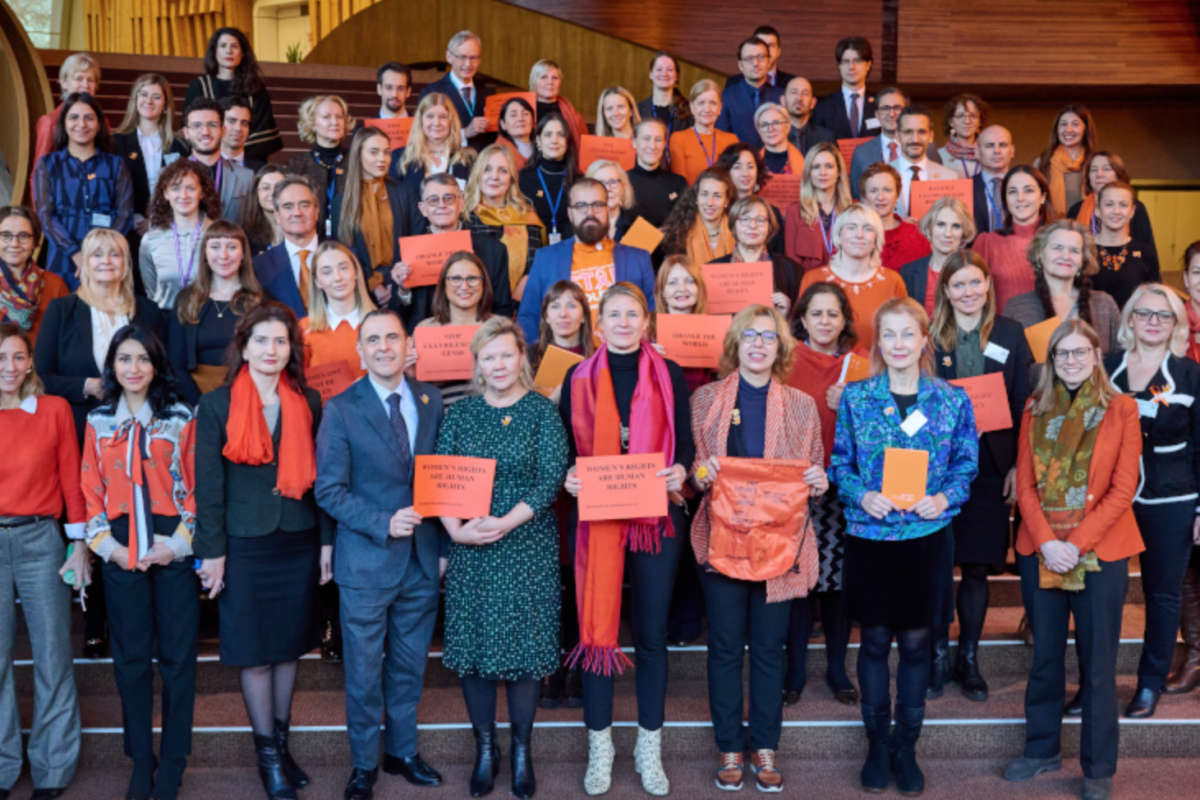
On the evening prior to the vote, several thousand people gathered to protest the move, calling on lawmakers to uphold Latvia’s international commitments to protect women’s rights and combat domestic violence.
Since ratifying the Istanbul Convention on 10 January 2024, with entry into force on 1 May 2024, Latvia has undertaken transformative reforms to support women and girls:
- Enhanced criminal sanctions for stalking, threats, and violations of protection orders, replacing fines with imprisonment or probation and signalling zero tolerance for violence against women;
- Introduction of electronic monitoring for high-risk perpetrators, enabling authorities to track offenders who pose the gravest danger to their victims;
- Criminalisation of emotional violence for the first time in Latvia’s legal history, recognising psychological abuse as a punishable offence; and
- Adoption of Latvia’s first comprehensive National Action Plan (2024-2029) on preventing and combating violence against women and domestic violence, coordinating government ministries, law enforcement, social services, and civil society organisations.
Withdrawal would erode accountability and weaken protections for women in Latvia. The Istanbul Convention is not a threat to Latvian values – it is a tool to realise them. It does not undermine families; it protects them from violence. It does not impose a foreign ideology; it operationalises and confirms universal human rights standards that Latvia has long endorsed and has been participating in developing.